

How To Build A Clean Water Well?
Everyone should always have access to clean drinking water. Sadly, not having enough water is a big problem in many parts of the world, especially in countries like Bangladesh.
Making your own water well with the help of the big bore water well kit is a great way to do this. Certainly in Bangladesh we call it Deep water well. Now the question is
How To Build A Clean Water Well?
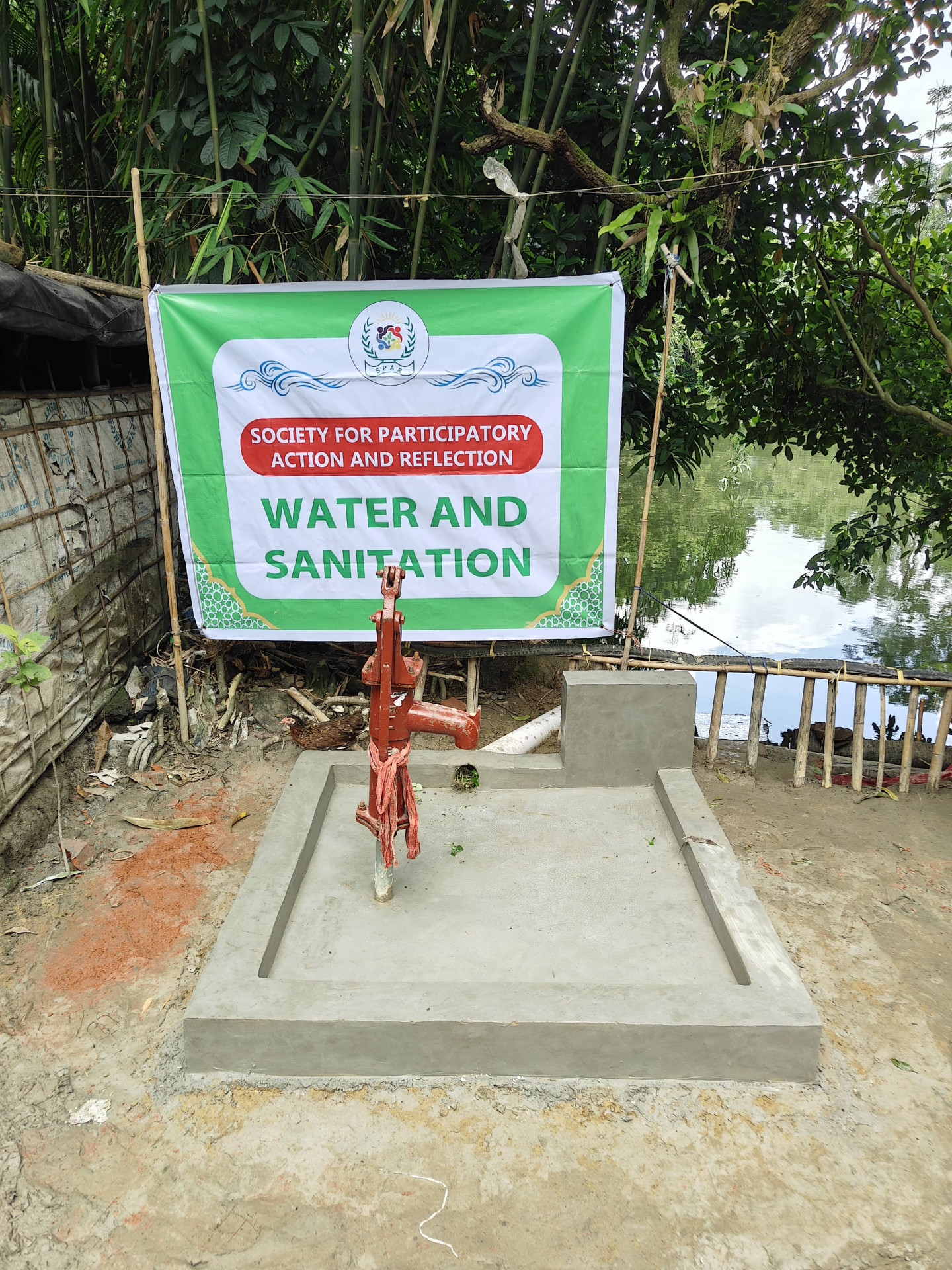
To build a clean water well, dig a deep hole, install a sturdy pipe, add a pump, and ensure proper sealing to prevent contamination. Regularly test the water quality and maintain the equipment to keep the well clean and safe.
But this is not all. A well-planned procedure is needed to build a clean water well. In this blog, we will describe all the points. Let’s have a look below.
Planning to Build a Water Well
Building a water well is a big project, but with careful planning, it can be done successfully. Here’s what you need to consider before starting the construction.
Selecting The Location
The first step is to choose the right location for the well. It should be close to the community it will serve, but far from any sources of contamination like latrines, garbage dumps, or animal pens. The water table is the level below which the ground is saturated with water. In Bangladesh, the water table can vary greatly depending on the season and the area. You’ll need to dig deep enough to reach the water table even during the dry season.
Before starting the construction, it’s a good idea to test the soil to ensure that it can support the well. You want to avoid areas with sandy or loose soil that might collapse during or after digging.
Understanding Local Regulations
In some areas, you may need permission from local authorities or the government to build a well. It’s important to follow all legal requirements to avoid any problems later on. Involve the local community in the planning process. Their input can help in selecting the right location and ensuring that the well meets their needs.
Budgeting For The Project
Building a water well involves several costs, including digging, materials, labor, and maintenance. It’s important to create a budget and plan how to raise the necessary funds. You can raise funds through community contributions, donations from charitable organizations, or government grants. Transparency in budgeting and spending will help build trust and support from the community.
Step-by-Step Guide On Building A Water Well
Once the planning is complete, you can begin the actual construction of the well. Here’s a step-by-step guide to help you build a clean water well.
Gathering Materials And Tools
You will need cement, bricks, gravel, sand, and a well ring or casing pipe. The casing pipe is essential for lining the well and preventing contamination. Common tools include a shovel, pickaxe, measuring tape, bucket, rope, and a pulley system. If you are using a machine to dig the well, you will need a drilling rig.
Digging The Well
If you are digging the well manually, it’s best to do so during the dry season when the water table is lower. Start by marking the well’s location and digging a wide hole. As you dig deeper, you’ll need to narrow the hole to create a well shaft. Be cautious of loose soil and use shoring to prevent collapses. However, If you have access to a drilling rig, the process will be faster and safer. The machine drills down to the water table, and then the casing pipe is inserted to line the well.
Lining The Well
The casing pipe is crucial for keeping the well clean and preventing the walls from collapsing. It also prevents contaminated surface water from entering the well. The pipe should be inserted carefully and secured in place with gravel and sand. The top of the well should be sealed with a concrete slab to prevent contaminants from entering. This slab can also serve as a platform for a hand pump.
Installing The Pump
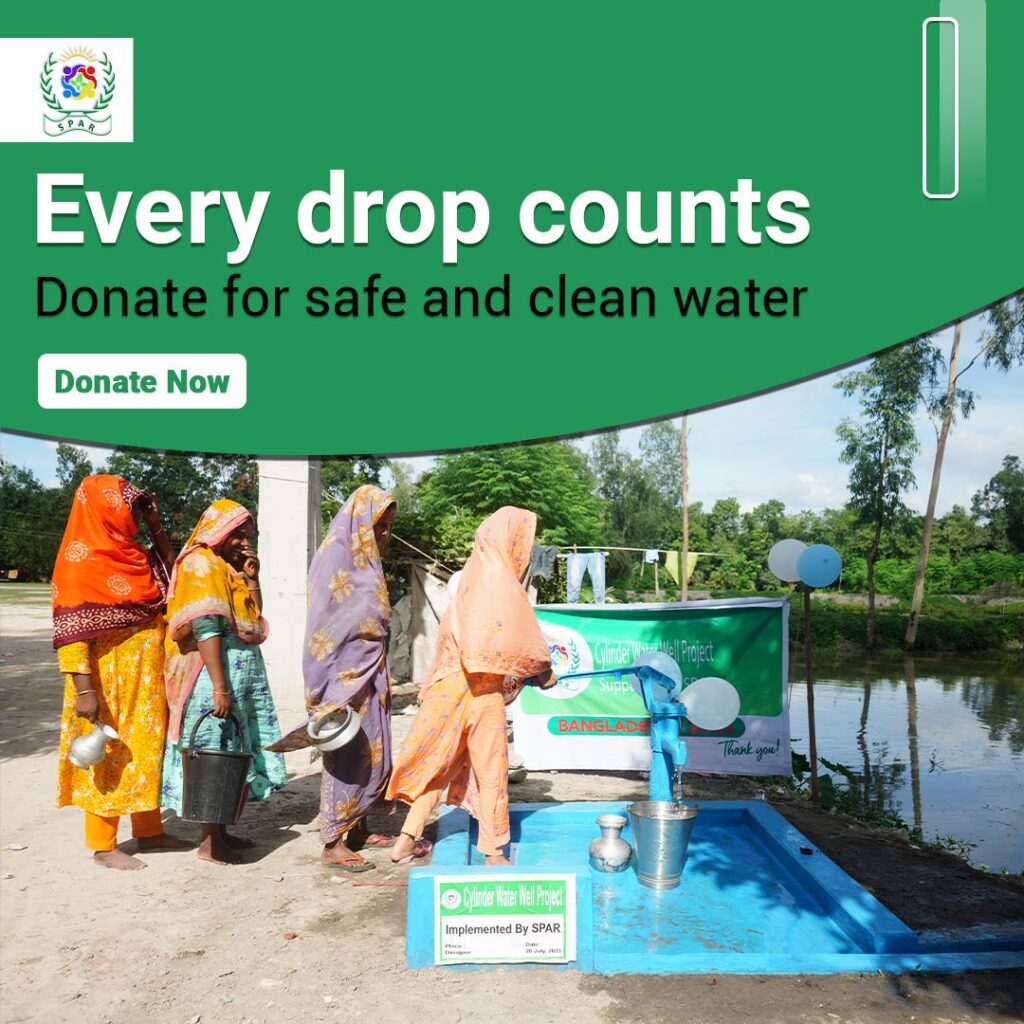
There are different types of pumps, such as hand pumps, electric pumps, and solar-powered pumps. For rural areas in Bangladesh, a hand pump is often the most practical and affordable option. The pump should be installed according to the manufacturer’s instructions. It’s important to ensure that the pump is securely attached and that the pipes are properly connected to avoid leaks.
Testing The Water
Before the well is used, it’s essential to test the water for contaminants. You can contact a local health department or a non-governmental organization (NGO) that provides water testing services. The water should be tested for bacteria, chemicals, and other pollutants. If the water is not clean, you may need to install a filtration system or treat the water with chlorine. Regular testing should be done to ensure the water remains safe.
Training and Maintenance
It’s important to train community members on how to use and maintain the well. This includes cleaning the pump, checking for leaks, and testing the water regularly. Moreover, Regular maintenance is key to ensuring that the well continues to provide clean water for years to come. The community should set up a system for routine checks and repairs.
Challenges You Might Face
Building a clean water well is a rewarding project, but it can come with challenges. Here are some common issues you might encounter and how to overcome them.
Water Contamination
Surface Contamination: Even with a well, surface water can seep in and contaminate the water supply. Proper sealing and a well-maintained casing pipe can prevent this.Moreover, In some areas of Bangladesh, groundwater contains high levels of arsenic, a toxic substance. Testing the water before using the well is crucial, and if arsenic is present, you may need to dig deeper or use an alternative water source.
Difficult Soil Conditions
In areas with sandy or loose soil, the well walls may collapse during digging. Shoring or using a drilling rig can help stabilize the walls. However, If you encounter rocky ground, digging can be challenging. You may need specialized equipment or professional help to break through the rock.
Seasonal Changes
Fluctuating Water Table: The water table in Bangladesh can fluctuate with the seasons, making it difficult to find water during the dry season. It’s important to dig deep enough to ensure a year-round water supply. Therefore, in Bangladesh During the monsoon season, flooding can contaminate wells. Building the well on higher ground and sealing it properly can help prevent this.
FAQ
What Is The First Step To Build A Clean Water Well?
The first step in building a clean water well is to choose the right spot. It’s important to pick a place where the ground has a good supply of water deep down. The spot should be far away from toilets, trash, or any other places that could make the water dirty. This helps to make sure the water from the well will be clean and safe to drink.
What Tools Do I Need To Build A Water Well?
To build a water well, you need some important tools. You will need a drilling tool to make a hole in the ground. You’ll also need pipes to keep the well from collapsing and to stop dirt from getting into the water. Gravel is needed to help filter the water, and a pump is used to bring the water up to the surface. Lastly, you should have a water testing kit to check if the water is clean.
How Do I Keep The Well Water Clean?
Keeping well water clean is very important. You should regularly check the well and the pump to make sure everything is working properly. Make sure that no dirty water or chemicals can get into the well by keeping the seal around the well tight. It’s also good to test the water now and then to make sure it’s safe to drink. Teaching people how to use the well safely also helps keep the water clean.
How Long Does It Take To Build A Water Well?
The time it takes to build a water well can vary. It usually takes a few days to a few weeks, depending on how deep the well needs to be and what kind of tools you are using. If you’re using a simple hand drill, it might take longer than if you have a machine to help with the drilling. It’s important to be patient to make sure the well is built correctly.
How Much Does It Cost To Build A Clean Water Well?
The cost to build a clean water well can be different depending on where you are and how deep the well needs to go. On average, it can cost anywhere from $1,000 to $1,500. This price includes everything like the drilling, pipes, gravel, and the pump. It’s a good idea to talk to a few people who build wells to get an idea of how much it will cost for your specific needs.
Conclusion
Building a clean water well is essential for providing safe drinking water, especially in places like Bangladesh. By following proper steps—choosing the right location, using quality materials, and regular maintenance—you can ensure a reliable water source for years to come. Safe water is vital for a healthy community.
 Secure
donation
Secure
donation