

Zakat vs Fitra: What is the Difference? (2026 Simple Guide)
Giving charity is a beautiful part of Islam. It cleans our hearts. It helps the poor. But the rules can confuse people. You hear the word Zakat. Then you hear Fitra (or Zakat al-Fitr). Are they the same? Do you pay them together?
Many people mix these two up. This is a problem. If you mistake one for the other, you might miss a religious duty. You want your charity to count. You want to obey the rules correctly.
This guide clears up the confusion. We explain the difference between Zakat and Fitra in plain English. We show you exactly what to do. By the end, you will feel confident. You will know exactly how to help the needy through the SPAR Project.
1. Understand the Main Goal
Why does Allah ask us to pay these? They have different jobs.
Zakat (Zakat al-Mal): This cleans your wealth. Think of it as a purifier for your savings. You hold money for a year. You give a small slice back to the community. This practice stops you from loving money too much. It helps the economy flow.
Fitra (Zakat al-Fitr) purifies your fasting. We are human. During Ramadan, we make mistakes. We might say a negative word. We might become angry. Fitra fixes these small errors. It also ensures the poor have food on Eid day. It creates joy for everyone.
2. Check Who Must Pay
The rules for who pays are very different.
Who Pays Zakat? Only people with extra money pay this. You must own wealth above a specific limit (called Nisab). If you have gold, cash, or savings that sit for a full year, you pay. If you have no savings, you usually do not pay Zakat.
Who Pays Fitra? Almost every Muslim pays this. It does not matter if you are rich or poor. If you have food for Eid day, you pay Fitra. A father pays for his children. A husband pays for his wife. Even a newborn baby requires Fitra to be paid on their behalf.
3. Know the Cost (How Much?)
The math changes for each one.
Zakat Math: You pay 2.5% of your total wealth. It depends on how much you own.
- If you have $1,000, you pay $25.
- If you have $100,000, you pay $2,500.
The more you have, the more you give.
Fitra Math: You pay a fixed fee per person. It equals the cost of a basic meal (like rice or flour).
- It is usually a small amount (e.g., $10 per person).
- A rich man pays $10. A poor man pays $10.
It treats everyone equally.
4. Watch the Clock (When to Pay?)
Deadlines matter in Islam. You must pay on time.
Zakat Deadline: You can pay Zakat any day of the year. Your due date depends on when you got your money. Many people choose Ramadan for extra rewards. But you do not have to wait for Ramadan.
Fitra Deadline: This form of payment has a strict time limit. You must pay before the Eid prayer starts. If you pay after the prayer, it does not count as Fitra. It becomes just normal charity. To be safe, pay it a few days before Eid. This strategy gives the SPAR Project time to buy food for the poor.
5. Count Your Assets Correctly
How do you figure out your total?
For Zakat: You need a calculator. Add up your cash. Add the value of your gold. Add your business stock. Add your shares. Subtract your immediate debts. This final number is your “Zakat-able” wealth.
For Fitra: You do not need a calculator. You just need to count people. How many people live in your house? Do you have a wife and two kids? That makes four people. You simply need to pay for four portions of Fitra.

6. Pick the Right Recipients
You cannot give this money to just anyone.
Zakat Receivers: The Quran lists eight specific groups. These include the poor, the needy, people in debt, and travelers. You must make sure the person fits these groups.
Fitra Receivers: The main goal is to feed the hungry. The Prophet Muhammad (peace be upon him) wanted the poor to eat on Eid. He did not want them to beg on a holiday. At SPAR Project, we use your Fitra strictly for food. We ensure families enjoy a hot meal on Eid.
7. Learn the Minimum Limit (Nisab)
You need to know the starting point.
Zakat Limit: The bar is high. You must own the value of 85 grams of gold (or 595 grams of silver). If you possess less than this, you pay zero Zakat.
Fitra Limit: The bar is very low. You just need “surplus” food for one day. This allows almost everyone to be a giver. It builds a generous community. Even a struggling family can often afford to pay Fitra.
8. Decide on Advance Payment
Can you pay early?
Paying Zakat Early: Yes. You can pay months or years early. Some people pay a little every month. The pace is fine. Just make sure you cover the full amount by the end of your year.
Paying Fitra Early: You generally pay this during Ramadan. Most scholars say you can pay on the first day of Ramadan. Do not pay it before Ramadan starts. It belongs to the holy month.
9. Handle Missed Payments
What if you forget?
Forgot Zakat? It stays as a debt to Allah. You must pay it immediately. Calculate what you owe from the past years. Pay it now. It never “expires.”
Forgot Fitra? You missed the special reward. You still must pay the money to clear your conscience. But it counts as general charity (Sadaqah). You lost the specific blessing of purifying your hunger.
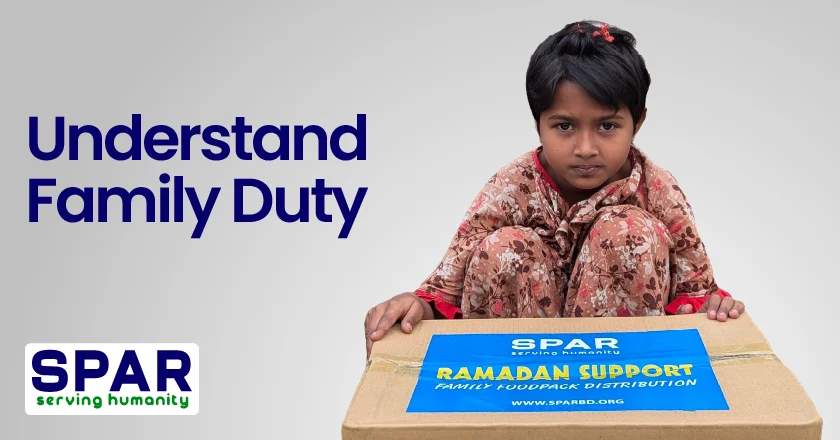
10. Understand Family Duty
Zakat Duty: This is personal. You answer for your money. Your wife answers for her money. You do not mix your accounts.
Fitra Duty: This is a family act. The head of the house pays for everyone. A father covers his dependent children. It unites the family in one act of worship.
Final Thought: Clear Your Dues Today
Now you see the difference between Zakat and Fitra. It is not complicated.
Zakat protects your savings. Fitra protects your fasting. Both of them help the poor survive. Both of them please Allah.
Do not let confusion stop you. Take a moment now. Calculate your Zakat. Count your family for Fitra. Send your donation to the SPAR Project. We promise to deliver your trust to those who need it most.
[Click Here to Donate Zakat and Fitra Now]
Can I pay Fitra online?
Yes, absolutely. Paying online is fast and safe. The SPAR Project collects the money and buys food in bulk. This helps us feed more people for less money.
Can I give Zakat to my brother?
Yes, if your brother is poor. Giving to family (excluding parents/children) brings two rewards: one for charity and one for keeping family ties.
Do I pay Zakat on the house I live in?
No. You do not pay Zakat on your personal house, car, or clothes. You only pay on “growth” assets like cash, gold, and business inventory.
What if I did not fast this year?
You still pay Fitra. Fitra is a duty for every Muslim, regardless of fasting status. It thanks Allah for the blessing of life.
Is Fitra cash or food?
The Prophet (PBUH) gave food. Many scholars say giving food is best. However, many scholars also allow cash so the poor can buy what they need. The SPAR Project accepts cash and converts it into food packs.
Does a wife pay her own Fitra?
Usually, the husband pays for the wife. However, if a wife wishes to pay Fitra using her own money, she is allowed to do so. It is permitted.
How do I know if I owe Zakat?
Check your total savings and gold. Is the value higher than the price of 85 grams of gold? If yes, you owe Zakat. If not, you do not.


 Secure
donation
Secure
donation