


What is Fidya in Islam? Complete 2026 Guide & FAQ
Ramadan is a special time for Muslims. It is a month of prayer, growth, and fasting. But what happens if you cannot fast? Some people have health issues or are ancient. They feel sad because they miss out on the blessings of the month. Allah is the Most Merciful. He provides a way for everyone to participate. If you are asking what is fidya in islam, you are looking for a beautiful solution. Fidya is a donation made to assist the poor when you are unable to fast. It turns your struggle into a meal for someone in need.
At the SPAR Project, we help you fulfill this duty. We take your Fidya and turn it into food for families in Bangladesh. This guide explains everything you need to know for 2026. We will look at the costs, the rules, and the rewards. Let’s explore how your contribution makes a massive difference.
What is Fidya in Islam? The Basics
Fidya is a religious act of worship. It is a payment made by Muslims who cannot fast during Ramadan. You do this if you have a valid, permanent reason. The word itself means “compensation.” You are giving something back because you cannot perform the physical act of fasting.
Think of it as a replacement. If your body is too weak to fast, your wealth steps in. You provide food to those who have nothing. This ensures that the spirit of Ramadan reaches every corner of the community. It is not a fine or a punishment. It is a gift of mercy.
Who Needs to Pay Fidya?
Not everyone who misses a fast pays Fidya. It is for specific groups of people. Islam makes things simple for us. You are required to pay Fidya if you belong to any of the following categories:
- The Elderly: Some older people consider fasting too hard. Their health might suffer if they skip meals. They can pay Fidya instead.
- The Chronically Ill: This category includes people with long-term sickness. If you have a condition like severe diabetes or heart disease, you should not risk your life.
- Permanent Medical Advice: If a doctor says fasting will permanently harm you, Fidya is your path.
If you are just traveling or have a quick cold, you don’t pay Fidya. You simply fast later when you are better. This practice is called Qada. Fidya is intended solely for individuals who are unable to fast now or in the future.
The Difference Between Fidya and Kaffarah
Many people mix these two up. They are completely unique.
Fidya is for people with a valid excuse. It is a gentle compensation. You pay for one person’s food for every day you miss.
Kaffarah is a penalty. It is for people who break their fast deliberately without a reason. The procedure requires a much larger payment. You must feed 60 poor people or fast for 60 days straight.
Understanding what is fidya in islam helps you realize it is a path of ease. It is for those who truly want to fast but physically cannot.
How Much Is Fidya for Ramadan 2026?
The cost of Fidya changes every year. It depends on the price of basic food. Scholars base the amount on the cost of two full meals. This payment is for one person for one day.
For Ramadan 2026, the suggested rates are
- Daily Rate: $5 to $7 (or about £5).
- Full Month (30 days): $150 to $210.
At the SPAR Project, we use $5 as a standard. This amount goes a long way in Bangladesh. It provides fresh, healthy food for those living in poverty. Your small daily payment becomes a giant blessing for a hungry family.
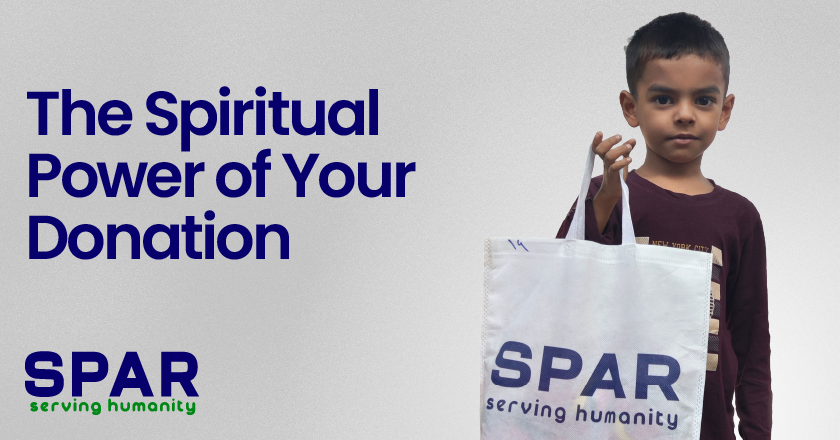
The Spiritual Power of Your Donation
Giving Fidya is a deep spiritual act. You might feel like you are missing the “Ramadan feeling” without fasting. But feeding the hungry is one of the best deeds in Islam. The Prophet Muhammad (SAW) taught us that feeding others brings immense rewards.
When you pay your Fidya, you are following the Quran. Allah says that for those who cannot fast, there is a “ransom of feeding a poor person.” You are literally obeying the words of Allah. This brings peace to your heart. You are still part of the Ummah’s collective worship.
Here is how the SPAR Project utilizes your Fidya in Bangladesh.
We don’t just take your money. We transform it into impact. Bangladesh has many areas with high poverty. Many people there do not know where their next meal is coming from.
When you give your Fidya to us, we do the following:
- Buy Local Food: We buy rice, lentils, oil, and salt from local markets. This helps the local economy too.
- Identify the Needy: Our team finds widows, orphans, and the elderly who need help most.
- Deliver Packages: We deliver food packs that last for weeks.
- Provide Hot Meals: During Ramadan, we host community Iftars.
Your Fidya ensures that a child in a remote village has a full stomach. It ensures an elderly man can break his fast with dignity.
Is Fidya Mandatory for Pregnant Women?
This is a common question. Pregnancy and breastfeeding are hard on the body. Most scholars say that if you miss fasts because of pregnancy, you should make them up later. You do not usually pay Fidya.
However, some scholars have different views. They say if you fear for your baby’s health, you might pay Fidya and make up the fast. If you are in this situation, talk to your local Imam. They can give you advice based on your specific health.
When Should You Pay Your Fidya?
You have flexibility with the timing. You can pay it in a few ways:
- Day by Day: Pay $5 every morning of Ramadan.
- In Advance: Pay for the whole month at the start.
- At the End: Pay the total amount once Ramadan is over.
Most people prefer to pay at the start. This process allows charities like the SPAR Project to buy food early. We can then distribute it before the first day of Ramadan. This way, the poor have food ready for their first Iftar.
Why Accuracy Matters in Your Payment
Fidya is an obligation. We must take it seriously. It is not just “charity.” It is a debt we owe. Ensure you count your missed days correctly. If you missed 30 days, pay 30.
If you pay too little, you may still owe the rest. If you pay extra, Allah treats it as Sadaqah (voluntary charity). Giving more is always better. It increases your reward and helps more people.
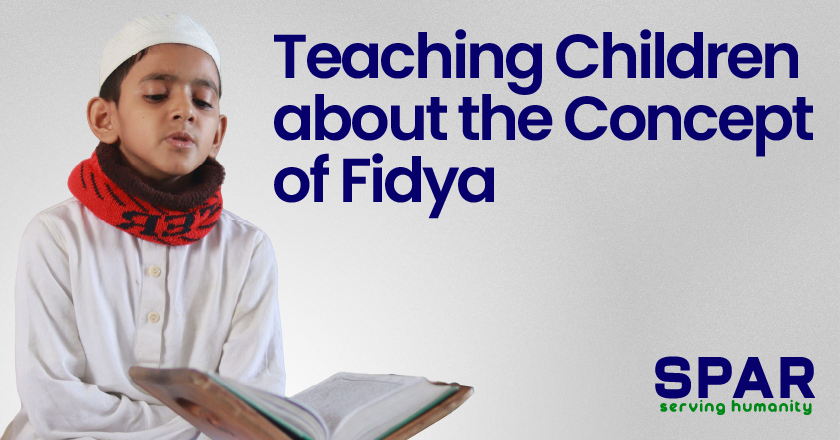
Teaching Children About the Concept of Fidya
Ramadan is a wonderful time to teach kids about Islam’s mercy. Explain to them what is fidya in islam. Show them that Allah cares for the sick and the old. It teaches them that Islam is not about suffering. It is about intention and helping others.
Let your children help you make the donation online. Show them photos of the families in Bangladesh. Such an activity builds empathy. It shows them that even when we are weak, we can be a source of strength for others.
The Role of Intention (Niyyah)
Like all acts of worship, intention is key. When you click the “donate” button, make a silent prayer. Ask Allah to accept your Fidya. Ask Him to heal your illness or grant you patience in your old age.
Your intention turns a bank transfer into a holy act. It connects your soul to the person eating the food in Bangladesh. This connection is the heart of our faith.
How to Calculate Your Fidya Payment Quickly
Calculating your payment is very easy. Follow these steps:
- Count the days: How many days will you miss? (Usually 29 or 30).
- Check the rate: Use $5 per day for SPAR Project.
- Multiply: 30 days x $5 = $150.
- Donate: Go to our website and select the Fidya option.
It takes less than two minutes. But the impact lasts a lifetime for the person you feed.
Final Thought: Transforming Your Trial into Mercy
Being unable to fast is a test. It can feel lonely. But Islam gives you a way to shine. By paying Fidya, you become a provider. You become the hand that feeds the hungry.
Don’t let your health stop you from earning Ramadan rewards. Your Fidya is a bridge of light between you and the poor. This year, let the SPAR Project help you fulfill your duty. Together, we can make sure no one goes hungry in Bangladesh while we celebrate this holy month.
What is the main purpose of Fidya?
The purpose is to compensate for missed fasts due to a permanent inability. It ensures that the poor are fed as a substitute for your fasting.
Can I give Fidya to my family members?
No. You cannot give Fidya to people you are already responsible for, like your parents or children. It must go to the poor and needy outside your immediate family.
Is Fidya the same as Zakat al-Fitr?
No. Zakat al-Fitr (Fitrana) is for every Muslim at the end of Ramadan. Fidya is only for those who could not fast during the month.
What if I recover from my illness later?
If your illness was thought to be permanent but you get better, you should try to make up the fasts. Most scholars say your Fidya then becomes a highly rewarded charity.
Can I pay Fidya in the form of actual food?
Yes. Traditionally, people gave grain or dates. Today, it is easier to give money to a charity. We then use that money to buy the exact food the families need.
Do I have to pay Fidya for fasts missed years ago?
Yes. If you had a permanent condition that prevented you from fasting and you never paid Fidya, you should calculate the number of missed days and make the payment now. It is a debt to Allah and the poor.
Why should I choose the SPAR Project for my Fidya?
We work directly in Bangladesh. We have low costs and high impact. We make sure your money buys quality food for the truly needy. We provide updates so you can see the change you are making.


 Secure
donation
Secure
donation