


Fidya for Missed Fasts: A Simple 2026 Guide for You
Ramadan is a time of joy and deep prayer for Muslims everywhere. We wait all year to fast and grow closer to Allah. But life happens. Occasionally, your health or your age makes it impossible to fast. Such an event can feel quite heavy on the heart. You may feel as though you are losing out on the most enjoyable aspects of the month. However, Islam is a religion of mercy and ease. Allah has given us a beautiful way to stay connected to the rewards of Ramadan.
This is through fidya for missed fasts. By making this small payment, you feed someone who is hungry while fulfilling your own duty. It turns your physical struggle into a life-saving meal for a family. In this guide, we will walk through the 2026 rules, the costs, and how the SPAR Project uses your gift to help people in Bangladesh.
1. What Exactly is Fidya?
Fidya is a religious act of worship. It is a mandatory donation. You pay it if you cannot fast during Ramadan due to a long-term reason. The word itself means “compensation” or “ransom.” You are basically paying to provide food for a poor person because you cannot perform the physical act of fasting yourself.
Think of it as a bridge. It connects your intention to worship with the survival of another human being. It ensures that the poor are not forgotten during this holy month. Even if you cannot skip meals, your wealth can help someone else break their silence. This gesture is a special mercy from Allah for those who find fasting too hard on their bodies.
2. Who Should Pay Fidya for Missed Fasts?
Not everyone who misses a fast needs to pay Fidya. This is a common point of confusion. You only pay fidya for missed fasts if you have a permanent reason. This means you don’t expect to be healthy enough to fast later in the year.
Here are the people who usually qualify:
- The Elderly: Many older people are too weak to fast safely. If fasting makes you feel ill or very dizzy, you should pay Fidya.
- Chronic Sickness: This audience audience includes people with heart disease, kidney issues, or severe diabetes. If you must take medicine during the day, you cannot fast.
- Permanent Health Advice: If a doctor tells you that fasting will harm you for the rest of your life, Fidya is your path.
- Terminal Illness: If you can’t recover and fast again, this payment fulfills your duty.
If you are just traveling or have a quick flu, you don’t pay Fidya. You simply wait until you recover and then make up the missed fasts later.
3. How Much is Fidya for Ramadan 2026?
The cost of Fidya changes every year because food prices change. Scholars calculate the rate based on the cost of two basic, nutritious meals. This payment is for one person for one day.
For Ramadan 2026, the suggested rates are
- Daily Payment: $5.00 to $7.00.
- Full Month (30 Days): $150.00 to $210.00.
At the SPAR Project, we use a standard rate of $5.00 per day. This is an affordable amount that does a lot of good. In Bangladesh, $5.00 can buy enough rice, lentils, and oil to feed a person very well. Your small daily gift becomes a massive blessing for a hungry family.
4. How to Calculate Your Total Payment
Calculating your Fidya is straightforward. You don’t need a calculator or a complex chart. You just need to know how many days of Ramadan you will miss.
Use this simple formula:
Number of missed days x $5.00 = Your Total.
Let’s look at some examples:
- If you cannot fast the entire month (30 days), you pay $150.00.
- If your health was okay for part of the month but you missed 15 days, you pay $75.00.
- You pay $35.00 even if you missed only one week (7 days) because of a chronic illness.
You can pay this amount at the start of the month, daily, or all at once at the end. Most people like to pay early so charities can buy food for the poor before Ramadan begins.
5. Fidya vs. Kaffarah: Don’t Mix Them Up
It is essential to know the difference between these two terms. They are not the same thing.
Fidya is for those with a valid health reason. It is for people who want to fast but cannot. It is a small payment of one person’s food per day missed.
Kaffarah is a penalty. It is for people who break their fast deliberately without any medical reason. If you eat or drink during the day just because you want to, you owe Kaffarah. This is a much larger payment. You must feed 60 poor people or fast for 60 days in a row.
Knowing fidya for missed fasts helps you see that it is a path of ease. It is a gift of mercy from Allah to the sick and the elderly.
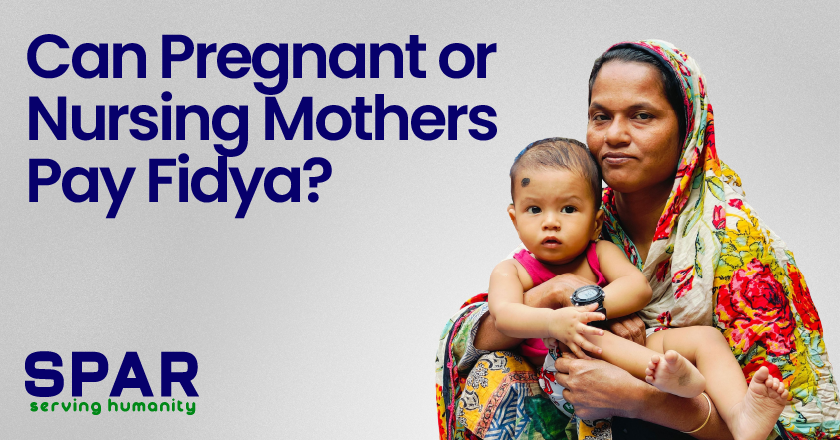
6. Can Pregnant or Nursing Mothers Pay Fidya?
This is a question many women ask. Pregnancy and breastfeeding are hard on the body. Most scholars agree that if fasting hurts you or the baby, you should stop.
However, the rule for what to do next is different:
- Making up the days: In most cases, you should just fast the days back later. This is usually done when the baby is older and you are stronger.
- Paying Fidya: You only pay Fidya if you have a permanent health issue that stops you from ever making up those days.
If you are a mother in this situation, it is best to talk to your local Imam. They can look at your specific health and give you the best advice.
7. Why Your Fidya Matters in Bangladesh
At the SPAR Project, we focus our work on Bangladesh. Why? Because the poverty there is very real. Many families live in small huts and struggle to find even one meal a day. When Ramadan arrives, food prices often go up. This makes it impossible for the poor to buy what they need.
When you send your fidya for missed fasts to us, it goes directly to these families. We buy local food like rice, beans, and oil. This helps the local farmers and gives the families the strength they need to worship. Your $5.00 might not seem like much to you, but to a widow in a rural village, it is an answer to her prayers.
8. What is Inside a SPAR Project Food Pack?
We want to make sure the poor get healthy, nutritious food. We don’t just give out snacks. Our food packs are designed to last a family for a long time.
A typical pack usually contains:
- Rice: The main energy source for every meal.
- Lentils and Beans: For protein and strength.
- Cooking Oil: Essential for making hot, fresh food.
- Dates: To break the fast in the way of the Prophet (SAW).
- Salt and Basic Spices: To give the food flavor and dignity.
Because we buy in large amounts, your money goes very far. We can feed more people with your $5.00 than you could buy in a grocery store at home.
9. The Spiritual Reward of Your Donation
Giving Fidya is a deep act of faith. Even if you cannot fast, you can still gain the reward of the fast. The Prophet Muhammad (SAW) said that whoever feeds a fasting person gets a reward just like theirs.
This is wonderful news! If you pay your Fidya and feed a poor person in Bangladesh, you share in their worship. Every prayer they say and every fast they complete brings blessings to you. Your illness is a trial, but your charity is a victory. It keeps you connected to the Ummah and the spirit of Ramadan.
10. Common Mistakes to Avoid
To make sure your Fidya is accepted, try to avoid these simple mistakes:
- Don’t pay if you can fast: If you are healthy, you must fast. You cannot just pay money to avoid the effort.
- Don’t underpay: Make sure you give enough to cover two full meals. In 2026, $5.00 is the recommended minimum.
- Don’t give to rich relatives: Fidya must go to the poor. You cannot give it to people you are already supposed to take care of, like your children.
- Set your intention: Before you click “donate,” make a silent prayer. Tell Allah that your contribution is for your missed fasts.
Following these steps ensures your religious duty is handled correctly and with respect.
11. How Does the SPAR Project Ensure Your Money Is Safe?
We know that your Fidya is a sacred trust. You want to be sure it actually reaches a hungry person. At the SPAR Project, we are very transparent.
We do the following:
- Local Teams: We have staff on the ground in Bangladesh who know the families.
- Direct Delivery: We deliver the food packs ourselves to ensure they go to the right people.
- Photos and Updates: We share stories and pictures so you can see the impact of your gift.
- Scholarly Advice: we check our processes with religious experts to make sure we follow the rules.
When you give to us, you can feel confident that your obligation is fulfilled in the best way possible.
Final Thought: Turning Your Trial into a Blessing
Not being able to fast is a challenge. It can feel lonely when everyone else is breaking their fast together. But remember, Allah loves you. He sees your heart and your desire to worship Him. By paying fidya for missed fasts, you are doing something beautiful. You are becoming a provider for the poor.
Your trial becomes a blessing for a family in Bangladesh. This Ramadan 2026, don’t let your health hold you back. Let your generosity lead the way. Partner with the SPAR Project and turn your missed fasts into a legacy of kindness and hope.
Can I pay Fidya on behalf of a relative who is too sick to make the payment themselves?
Yes, you can. It is a very kind act to pay on behalf of a parent or sibling who is unable to fast and cannot afford the payment themselves.
Is Fidya mandatory for travelers?
No. If you are traveling, you are expected to make the fasts up later. Fidya is only for those who have a permanent reason why they cannot fast.
Can I donate my Fidya to a mosque?
Fidya should go specifically to feeding the poor. While mosques do excellent work, it is better to give to a food-based charity like the SPAR Project to ensure the “feeding” requirement is met.
What if I can’t afford the $5.00 a day?
Islam is simple. If you are truly poor and cannot afford to pay Fidya, you are not required to do so. Just ask Allah for His mercy and do what you can.
Can I pay the full amount before Ramadan starts?
Yes. If you know for sure you cannot fast the whole month, paying early helps charities buy food in advance for the poor.
Does Fidya count as my yearly Zakat?
No. Fidya is a separate duty for missed fasts. Zakat is the 2.5% you spend on your total wealth. You should pay both if you are able.
Why is the 2026 rate different from last year?
The cost of basic foods like rice and oil goes up with inflation. We update the rate every year to make sure your donation actually covers the cost of two full meals.


 Secure
donation
Secure
donation