


Who is Eligible for Zakat? A Complete 2026 Guide
Finding out who is eligible for zakat is a vital step for every Muslim. Zakat is the third pillar of Islam. It is a mandatory act of worship that purifies your wealth. Each year, Muslims who meet the wealth limit must give a small part of their savings to those in need. However, you cannot just give this money to anyone. The Quran provides a clear list of people who can receive these funds.
At SPAR Project, we work hard to find these people in the most remote areas of Bangladesh. We ensure your donation reaches the right hands. This guide explains the eight categories of recipients, known as the Asnaf. By the end of this article, you will feel confident about where your money goes.
What is Zakat and Why is it Important?
Zakat is more than a simple charity or tax. The word “Zakat” means to grow and to purify. When you give, you cleanse your remaining wealth from greed and selfishness. It is a spiritual duty that brings you closer to Allah. It also creates a safety net for the poorest members of our global family.
In 2026, the need for Zakat is higher than ever. Economic changes and climate issues affect millions of people. Zakat helps balance the scales of justice. It takes wealth from those who have plenty and distributes it to those who have very little. This system prevents wealth from staying only with the rich. It ensures that every person in the Ummah has a chance to survive and thrive.
The Eight Categories of Zakat Recipients (Asnaf)
The Quran lists eight specific groups of people who can receive Zakat. You can find this list in Surah At-Tawbah, verse 60. These groups are called the Asnaf. Following these rules is not optional. It is a divine command that ensures the money helps the right people.
When people ask who is eligible for zakat, they are looking for these categories. Each group has specific needs. Some need food right now. Others need help escaping debt or slavery. By spreading Zakat across these groups, we solve many different social problems at once.
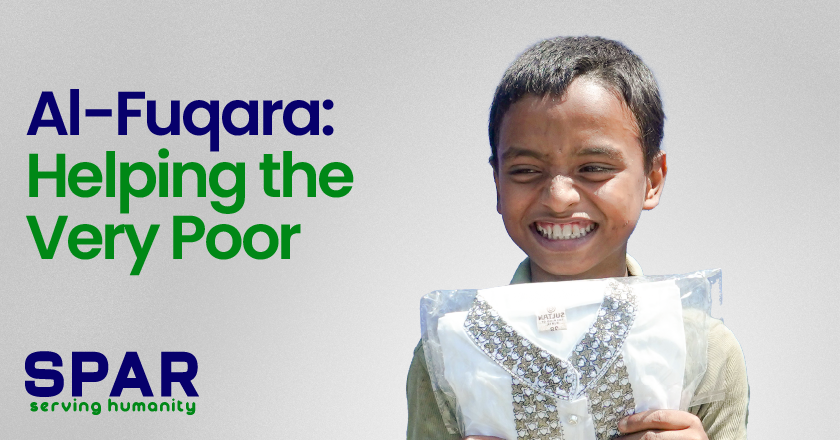
1. Al-Fuqara: Helping the Very Poor
The first group is the Fuqara. These are people who live in extreme poverty. They often have no money, no home, and no way to earn an income. They may not know where their next meal will come from. Their total assets are well below the Nisab (the minimum wealth limit).
At SPAR Project, we see the Fuqara in rural Bangladesh every day. These are often elderly people with no children to help them. They are also people with severe disabilities who cannot work. Your Zakat provides them with the basics of life. It gives them bread, clean water, and a safe place to sleep. Giving to this group is a primary goal of Zakat.
2. Al-Masakin: Supporting the Needy
The second group is the Masakin. This group is slightly different from the Fuqara. The Masakin might have a job or some small assets. However, they do not earn enough to meet their basic needs. They might have a roof over their heads but lack money for medicine or school fees.
Imagine a mother who works long hours but still cannot buy enough food for her kids. She is “needy.” She is working hard, but she still struggles. Identifying who is eligible for zakat in this group is sometimes hard. These families often hide their struggles because of their dignity. We spend a lot of time finding these families to offer them a helping hand.
3. Al-Amilina ‘Alayha: The Role of Administrators
The third category covers the people who manage Zakat. Collecting and giving out Zakat is a full-time job. It requires people to travel, verify the needs of the poor, and keep records. Islam allows these workers to receive a wage from the Zakat funds.
This ensures the system stays professional and honest. However, many charities like SPAR Project try to pay these costs through other funds. We do this so that 100% of your Zakat goes directly to the poor. Still, it is important to know that Zakat workers are a valid group of recipients.
4. Al-Mu’allafatu Qulubuhum: Welcoming New Hearts
This group includes people who have recently embraced Islam. It also includes those who are close to joining the faith. Converting to a new religion can be very difficult. Many new Muslims lose their jobs or their family’s support. They might feel alone or scared.
Zakat helps these individuals settle into the Muslim community. It shows them the mercy and kindness of their new family. By supporting them, we strengthen their hearts and their faith. It is a way to say, “You are welcome here, and we will protect you.”
5. Fi al-Riqab: Freeing Those in Bondage
In the past, this category helped buy the freedom of slaves. In 2026, we apply this to modern forms of slavery. This includes people trapped in human trafficking. It also includes “debt slaves” who work for years just to pay off unfair loans.
Your Zakat can pay for the legal help or the debt release of these people. It restores their freedom and their human rights. Freeing someone from bondage is one of the greatest deeds in Islam. It gives a person their life back.
6. Al-Gharimin: Relief for the Debt-Ridden
Debt can crush a person’s spirit. The Gharimin are people who have huge debts they cannot pay. To qualify, the debt must be for a good reason. For example, they might have borrowed money for life-saving surgery or to feed their children.
It does not apply to people who borrowed money for luxury items. When you help someone pay off a heavy debt, you remove a massive weight from their shoulders. They can finally sleep in peace. They can start to build a better life for their family again.
7. Fi Sabilillah: Serving the Cause of Allah
This is a broad category that covers people working in the way of Allah. This includes people who are defending the community or spreading the message of Islam. It also includes students who are studying Islamic knowledge.
Many scholars believe this category supports projects that benefit the whole Muslim community. It ensures that the faith stays strong and that Muslims have the resources they need to thrive. By giving to this group, you invest in the future of the Ummah.
8. Ibnu al-Sabil: Helping the Stranded Traveler
The final group is the “Wayfarer.” This is a traveler who is stuck in a strange place without money. They are eligible if they are rich in their home country but cannot access their money.
Today, this category often includes refugees. These are people who fled their homes with nothing. They are travelers in a new land with no resources. Zakat helps them find food and shelter. It also helps them return home or find a safe new place to live.
Who Does Not Qualify for Zakat?
When you ask who is eligible for zakat, you must also know who is not. This ensures the money does not stay within your own close circle. The rules prevent people from using Zakat to avoid their personal duties.
You cannot give Zakat to:
- Your direct family: This includes your parents, grandparents, children, and grandchildren. You must support them with your wealth.
- Your spouse: A husband cannot give Zakat to his wife because he is responsible for her needs.
- Wealthy people: Anyone who owns wealth above the Nisab limit cannot receive Zakat.
- Non-Muslims: Zakat is specifically for the Muslim community. You should give non-Muslims Sadaqah (voluntary charity) instead.
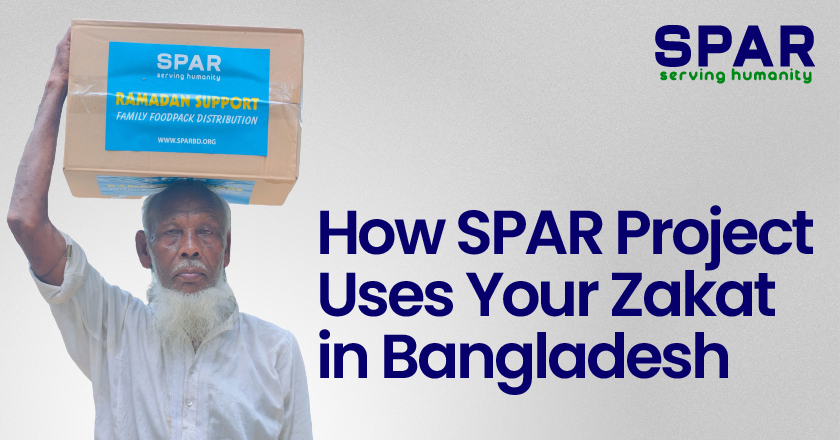
How SPAR Project Uses Your Zakat in Bangladesh
Bangladesh faces many challenges. Frequent floods and storms destroy the lives of poor farmers. Thousands of people fall into the Fuqara and Masakin groups every year. They need your help to survive.
SPAR Project has deep roots in these communities. We find the widows, the orphans, and the elderly who qualify for Zakat. We provide more than just money. We provide:
- Deep Water Wells: These provide clean water for whole villages.
- Food Parcels: These contain healthy food to fight hunger.
- Shelter Repair: We help fix homes broken by storms.
We obey the Quranic rules for every dollar you give. We treat your Zakat as a sacred trust. Our team on the ground makes sure your gift reaches those who are most in need.
The Spiritual Benefits of Giving Correctly
Giving Zakat is a way to heal your soul. It stops you from becoming too attached to money. It reminds you that Allah is the source of all wealth. When you present to those who are eligible, you feel a deep sense of joy.
You also gain “Barakah” or blessings. The Prophet (peace be upon him) told us that charity does not decrease wealth. Instead, it makes it grow in ways we cannot see. By fulfilling this pillar, you protect your wealth and your future in the Hereafter.
Final Thought: Fulfill Your Duty with Peace of Mind
Zakat is a beautiful gift from Allah to humanity. It is a perfect system for ending poverty and building love between people. By knowing who is eligible for zakat, you can fulfill your duty with a clear heart. You are not just giving money; you are giving hope.
As you calculate your wealth for 2026, think of the families in Bangladesh. Your 2.5% can be the miracle they have been praying for. Join SPAR Project today. Let us deliver your Zakat to the people who deserve it most. Together, we can change lives for the better.
Can I distribute Zakat to my brother or sister?
Yes. You can give Zakat to your siblings if they are poor or needy. Since you are not legally required to pay for their daily life, they can receive your Zakat.
Is a student eligible to receive Zakat?
Yes, if the student is poor or needs help to pay for their studies and living expenses. Many students fall into the “Way of Allah” or “Needy” categories.
Can I give Zakat to a person who is not Muslim?
No. Zakat is a specific duty for Muslims to help other Muslims. However, you are highly encouraged to give Sadaqah (voluntary charity) to non-Muslims who are in need.
Can Zakat be used to build a mosque?
Most scholars say no. Zakat should go to people, not buildings. You should use general donations (Sadaqah) to build or repair mosques.
How do I know if someone is truly poor?
A person is considered poor if they own less than the Nisab limit. This limit is the value of 87.48g of gold or 612.36g of silver.
Can I give Zakat to an orphan?
Yes. Most orphans are needy or poor. Helping them is one of the most rewarded acts in Islam.
Can I distribute Zakat to my parents?
No. You are responsible for your parents. You must use your money to take care of them. You cannot use Zakat to fulfill this personal duty.


 Secure
donation
Secure
donation