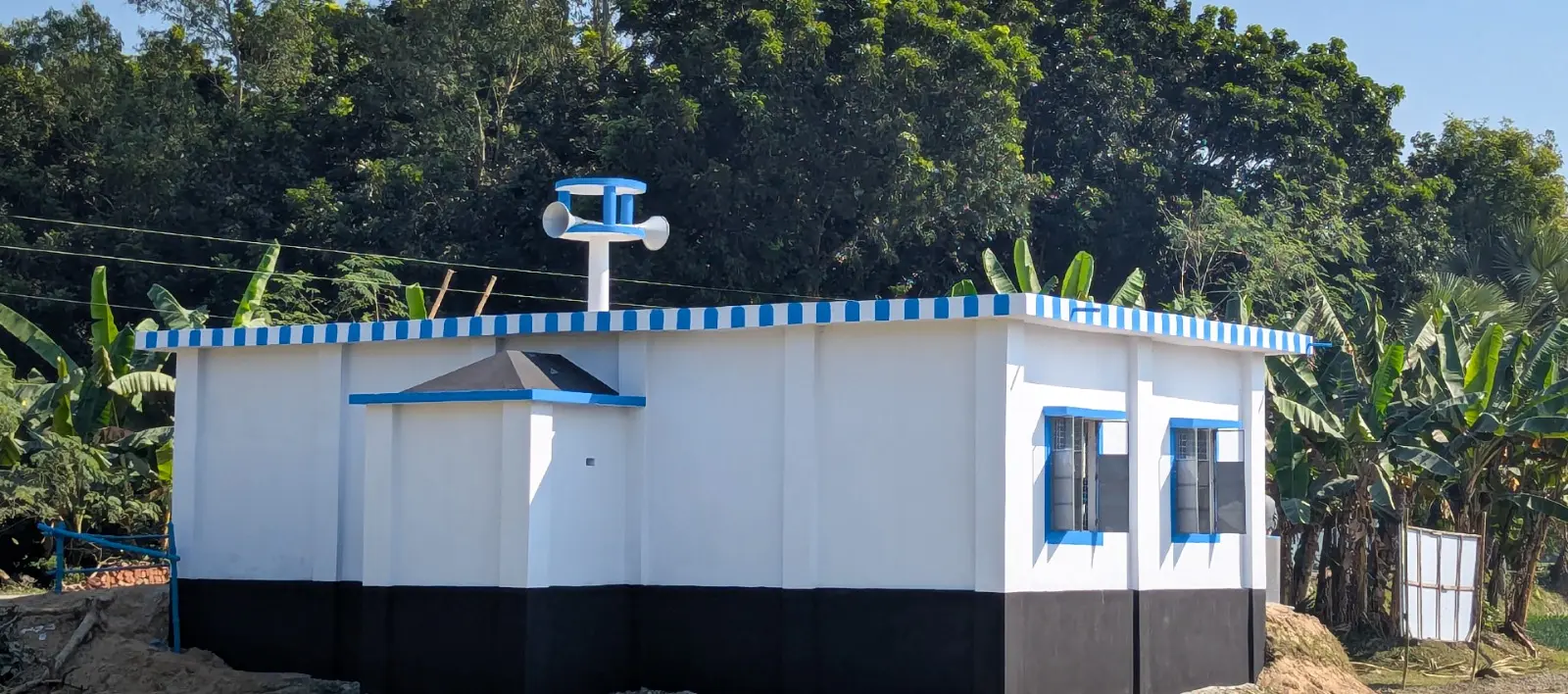
Donate for building 2 SFT of a Masjid
Two square feet of a masjid. This is the smallest way to contribute to this build, but the reward is still great.
- Shared contribution
- Eternal reward
- Construction updates
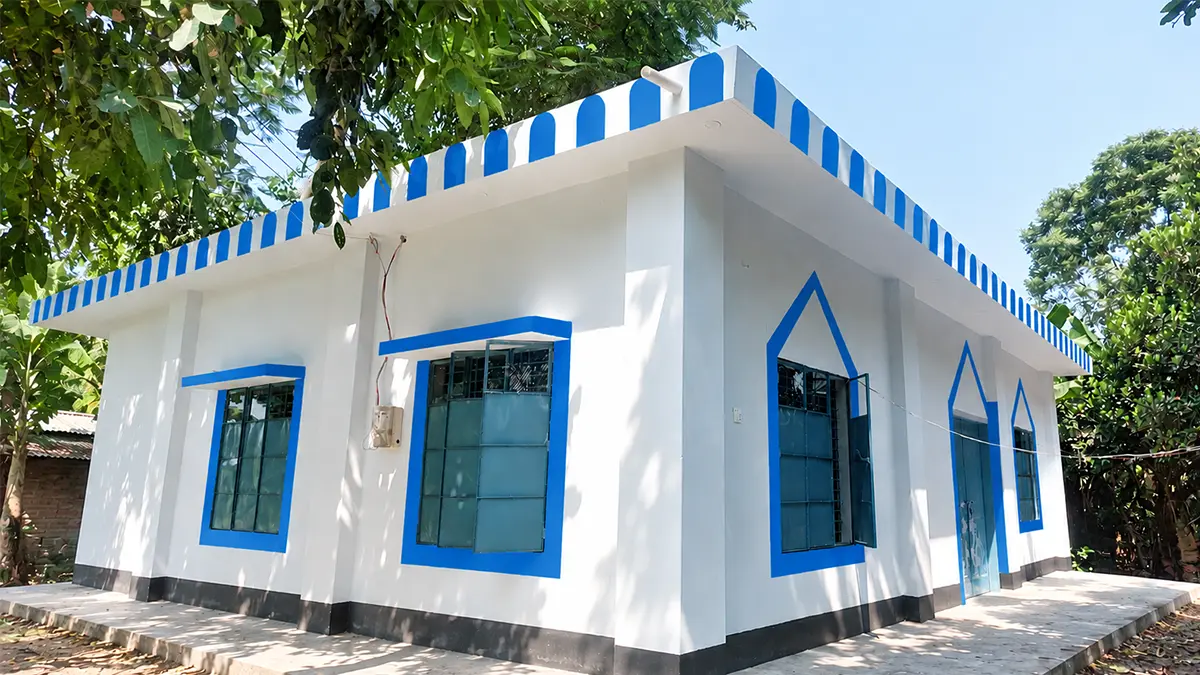
Fund a complete masjid, a wudu area, or any single part of the build — bricks, steel, flooring, fans, the minbar. Every donation for masjid construction is tracked to the item it paid for, and you receive progress updates until the first prayer.
Two square feet of a masjid. This is the smallest way to contribute to this build, but the reward is still great.
Three square feet of a 600 SFT masjid with a wudu area and washroom. Construction begins once the full amount is raised, and every contributor receives the completion report.
Ten square feet of a 200 SFT wudu area with washroom facilities at one of our partner masjids.
Support natural light and ventilation throughout the mosque.
Help add light, beauty and finishing details to the mosque.
Help keep the mosque and surrounding areas properly lit.
Support the clear delivery of the call to prayer.
Support the construction and finishing work throughout the project.
Help provide secure and welcoming entrances for worshippers.
Provide a dedicated place for khutbahs and religious talks.
Help complete the interior with a clean and welcoming finish.
Support the electrical infrastructure needed throughout the mosque.
Help keep the prayer space comfortable for worshippers.
Microphones and speakers for prayers, khutbahs, and announcements—so the back row hears the imam and the village hears the khutbah.
Help protect and complete the mosque’s exterior finish.
Help create a clean, durable and comfortable prayer space.
The roof and main shelter for a 600 SFT masjid. Completing the roof is essential before the interior work can begin and will ensure that worshippers can pray comfortably, even during rainy weather.
Support the skilled workers helping bring the mosque project to completion.
Cement for foundation, masonry, and finishing across the whole build.
Sponsor the complete construction of a 200 SFT wudu area with washroom facilities.
Help provide the structural strength needed for the mosque.
The walls of the masjid. Enough brick for the full 600 SFT structure, delivered to the site.
Support durable and easy-to-maintain wall finishes.
The complete build: a 600 SFT masjid with wudu area and washroom, serving up to 70 worshippers five times a day. Every prayer offered inside it is written for you, for as long as the building stands.
Every contribution helps someone in need through this campaign.
The Need for Mosques
“Whoever builds a masjid for Allah, Allah will build for him a house in Paradise.”
Sahih al-Bukhari and Sahih Muslim
In rural Bangladesh the masjid is often the only permanent public building a village has. It is where children learn to read the Quran, where the community gathers after a death, and where families shelter when the floodwater rises.
Many of these buildings were put up decades ago from tin, bamboo, and unreinforced brick. Monsoon rain, cyclones, and river flooding have left them unsafe. Roofs leak through every prayer in the wet season. Floors sit below flood level. In some villages people pray outside because the structure is no longer sound.
The community wants to rebuild. Most of them earn daily wages from farming or fishing, and a proper structure costs more than the whole village can raise. That is the only thing standing between them and a masjid that lasts.
When you build a masjid, you are not funding a building. You are funding everything that happens inside it for the next fifty years.
a safe, dry place to pray in every season. For an elderly man who stopped coming because the floor flooded, it is the difference between praying in congregation and praying alone.
Most village masjids run the only maktab available to the children. Build the masjid, and you build the classroom.
Eid, janazah, marriage, and the meeting when a decision has to be made. In a village with one permanent building, the masjid is all of these.
This is why a masjid is considered among the best sadaqah jariyah. Every prayer, every recitation, every gathering continues the reward of the person who paid for the roof over it — long after they are gone.
A complete masjid, a wudu area, or a single part of the building. Any amount from USD 60.
Our field team visits, confirms the need, verifies land ownership or waqf documentation, and checks that the local committee will maintain the building.
local workers and durable materials chosen for Bangladesh’s climate under SPAR supervision from foundation to finish.
photographs, location, and a completion report. Full-project donors receive a dedication plaque in their name or the name of someone they love.
Common questions
A complete 600 SFT masjid serving 70 worshippers, with a wudu area and washroom, costs USD 18,000. You can also fund a single part of the build—a roof at USD 2,500, flooring at USD 1,875, or two square feet at USD 60.
Yes, and many donors do. Full-project donors receive a dedication plaque, and you can name the masjid for a parent or anyone who has passed away. It is among the few gifts that still reach them.
No. According to the majority of scholars, zakat must go to the eight categories of recipients named in Surah At-Tawbah (9:60), and masjid construction does not fall within them. Please give to this campaign as sadaqah. For zakat, please use our Zakat page
Because the benefit does not stop. The Prophet (peace be upon him) said that whoever builds a masjid for Allah, Allah will build for him a house in Paradise. Every prayer offered inside it continues the reward of the person who built it.
A formal request from the community and masjid committee, a site visit by our field team, verified land ownership, and a committed local committee responsible for upkeep after handover.
Yes. Shares start at USD 60. Funds are pooled until the project is fully funded, and every contributor receives the completion report.
Mosque construction typically takes around 3–4 months after the site has been selected, depending on weather conditions, material availability, and other local factors.
If a project receives more funding than required, the surplus funds will be allocated to the next similar project, helping us continue our work and support more communities in need.
Yes—photographs through construction, the location, a completion report, and footage of the first congregational prayer.